What should I know about packaging for the transport of hazardous materials?

Share

Tags: Industry

The transport of dangerous goods is both complex and critical. Incorrect packaging, inadequate labeling, or failure to comply with international regulations can have serious consequences for people, the environment, and the company.

We are happy to help businesses navigate the complex regulations, choose the right packaging, and ensure that shipments are both safe and compliant.

_______________________________________________________________________________________________________________________________________________________________

What laws apply in Europe regarding the transport of dangerous goods?

The transport of dangerous goods is regulated internationally by the United Nations. Different modes of transport have their own regulations:

  • ADR – Road Transport
  • RID – Rail Transport
  • ADN – Inland Waterways
  • IMDG – maritime transport

These regulations establish requirements for:

  • Classification of the substance
  • Labeling and Documentation
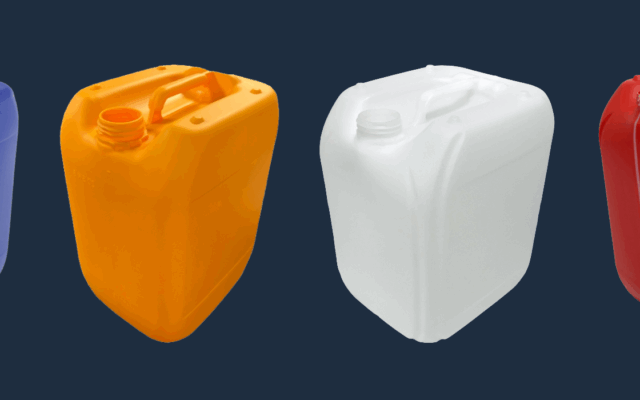
  • Choosing the Right Packaging

The goal is to ensure consistent safety. A chemical container on a truck in Germany must be handled in the same safe manner as the same container on a ship in the Mediterranean.

_______________________________________________________________________________________________________________________________________________________________

How are dangerous goods classified?

This classification makes it possible to identify the risks associated with each substance and thus select appropriate packaging, mode of transport, and safety measures. The UN has defined nine hazard classes that are used globally:

  1. Explosives
  2. Gases
  3. Flammable liquids
  4. Flammable solids
  5. Oxidizing agents and organic peroxides
  6. Toxic and infectious substances
  7. Radioactive material
  8. Corrosive substances
  9. Various hazardous substances

_______________________________________________________________________________________________________________________________________________________________

What is UN approval?

Every chemical substance has a UN number that determines the packaging requirements. UN approval means that dangerous goods may only be transported in packaging that meets UN standards. Only materials that meet the standard receive UN approval. UN approval is issued by official authorities or accredited testing centers. The packaging is tested for impact, pressure, temperature, and transport loads, as well as through drop tests, and is classified accordingly:

  • UN-X
    • Tested from a height of 1.8 meters
    • High risk
  • UN-Y
    • Tested from a height of 1.2 meters
    • Medium risk
  • UN-Z
    • Tested from a height of 0.8 meters
    • Low risk

There are three packaging groups: EG I, EG II, and EG III. The packaging group determines which type of UN-approved packaging may be used. For example, highly explosive substances may only be transported in UN-X approved packaging, while less hazardous substances may use UN-Z packaging.

Here is an overview of which UN-approved packaging can be used for each packaging group.

_______________________________________________________________________________________________________________________________________________________________

What are the rules for transporting limited quantities of dangerous goods? (Limited Quantity – LQ)

For each UN number, a maximum quantity per inner packaging has been defined for shipments that can be transported without UN-approved packaging.

Below the limit:

  • UN-approved packaging is not required
  • The packaging must be secure
  • LQ labeling is mandatory

Across the border:

  • UN-approved packaging is required
  • Full transportation requirements take effect

Limits on the quantities of individual substances are specified in the safety data sheets for those substances.

_______________________________________________________________________________________________________________________________________________________________

How do you read the UN label?

A UN label provides all the necessary information about the packaging and the substance. The UN label ensures that drivers, logistics personnel, and authorities can quickly understand how the packaging should be handled.

Example:

  • UN: Indicates that the product is UN-approved
  • 3H1: Plastic jug, screw-top
  • Y: Packaging Group II–III
  • 1.9: Maximum density
  • 200: Test print
  • 23: Year of production
  • D: Germany
  • BAM 11871: Approval
  • DTE: Brand/Manufacturer

_______________________________________________________________________________________________________________________________________________________________

How long is a UN approval valid?

The certificate of approval is normally valid indefinitely until revoked by the authority. Containers may be used to transport dangerous goods for a maximum of 5 years from the date of manufacture, with certain substances exempted for shorter periods.

Although the approval is permanent, materials can deteriorate over time. Therefore, the practical service life of the packaging itself is limited. Products such as IBC tanks may therefore require periodic inspections.

The safe transport of dangerous goods requires both knowledge and experience. UN-approved packaging is the cornerstone of safety and compliance—and not just a legal requirement.

_______________________________________________________________________________________________________________________________________________________________

💡 Our advice

  1. Identify the substance using its UN number
  2. See the safety data sheet (Section 14)
  3. Estimate volume (LQ vs. full regulation)
  4. Select the correct packaging (X, Y, or Z)
  5. Check the labeling and documentation

We can help your business minimize risk, ensure efficient logistics, and comply with regulations across borders. Contact us today if you need advice and guidance on choosing the best packaging for shipping your goods—whether they’re hazardous or not.


Written in April 2026

Author: Mads Hovgaard, Product & Sales Advisor – Certified in the transport of dangerous goods

Let's have a chat!

If you need help, we are always ready to assist you or your business.
Simply enter your contact details and questions below and we will contact you as soon as possible.

"*" indicates required fields

This field is for validation and should not be changed.